Neuroscience
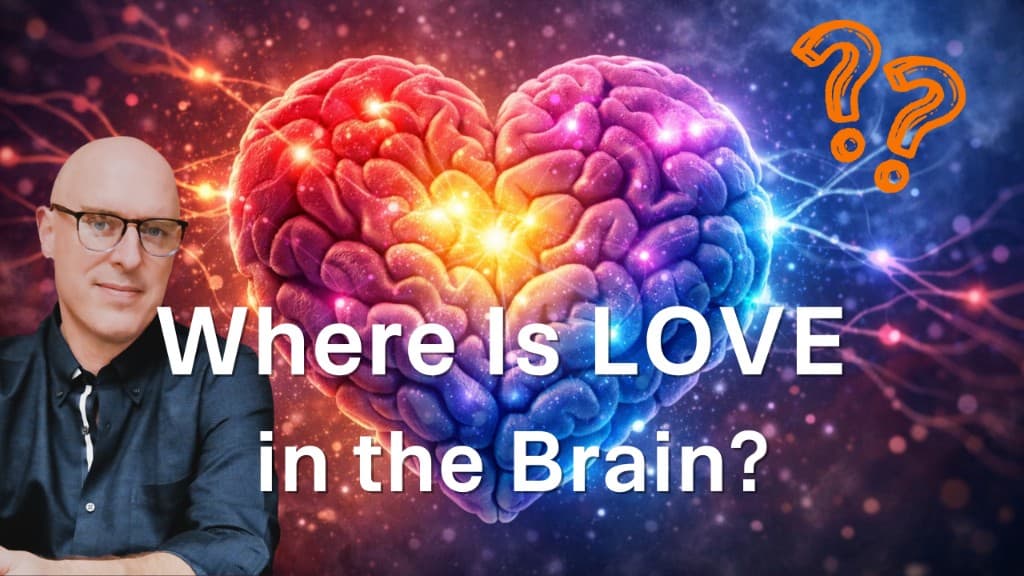
Where Is Love in the Brain?
The brain circuits behind love, heartbreak, and rejection — why your brain computes 'precious,' why breakups physically hurt, and what you can do about it.
Mastering the Poet-Brain Phenotypes of ADHD, Anxiety, and Autism
You're not broken. You're running Ferrari hardware with bicycle instructions. From 25,000 brain maps over 25 years: the 12 brain circuits that explain why you think too much, feel too much, and can't turn it off—and precision tools to train them.
The brain circuits behind love, heartbreak, and rejection — why your brain computes 'precious,' why breakups physically hurt, and what you can do about it.

An honest assessment of the evidence for neurofeedback — what's well-established, what's emerging, what remains uncertain, and how to separate legitimate practice from hype.

How clinical-grade remote neurofeedback actually works — equipment, setup, support, and how it compares to in-office training. From the founder of a practice that trains clients remotely worldwide.

Research review of neurofeedback for anxiety — which protocols work, what the clinical data show, and how to match the intervention to your specific anxiety pattern.

Straight answers on neurofeedback insurance coverage — what's covered, what's not, and how to maximize your benefits including HSA, FSA, and out-of-network reimbursement.

Transparent breakdown of neurofeedback costs — per session, program packages, remote options, and whether it's worth the investment. From a neuroscientist running clinics since 2014.
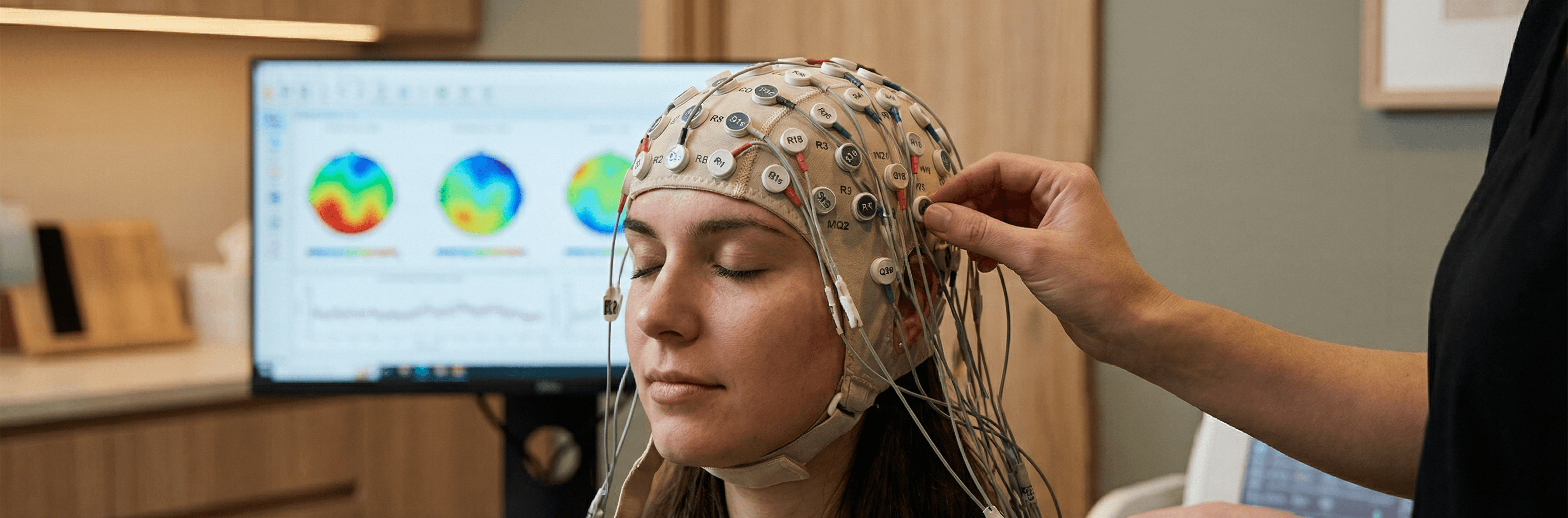
A neuroscientist who has analyzed 25,000+ QEEG brain maps explains what quantitative EEG actually measures, what it reveals about your brain, and what the assessment experience is like.
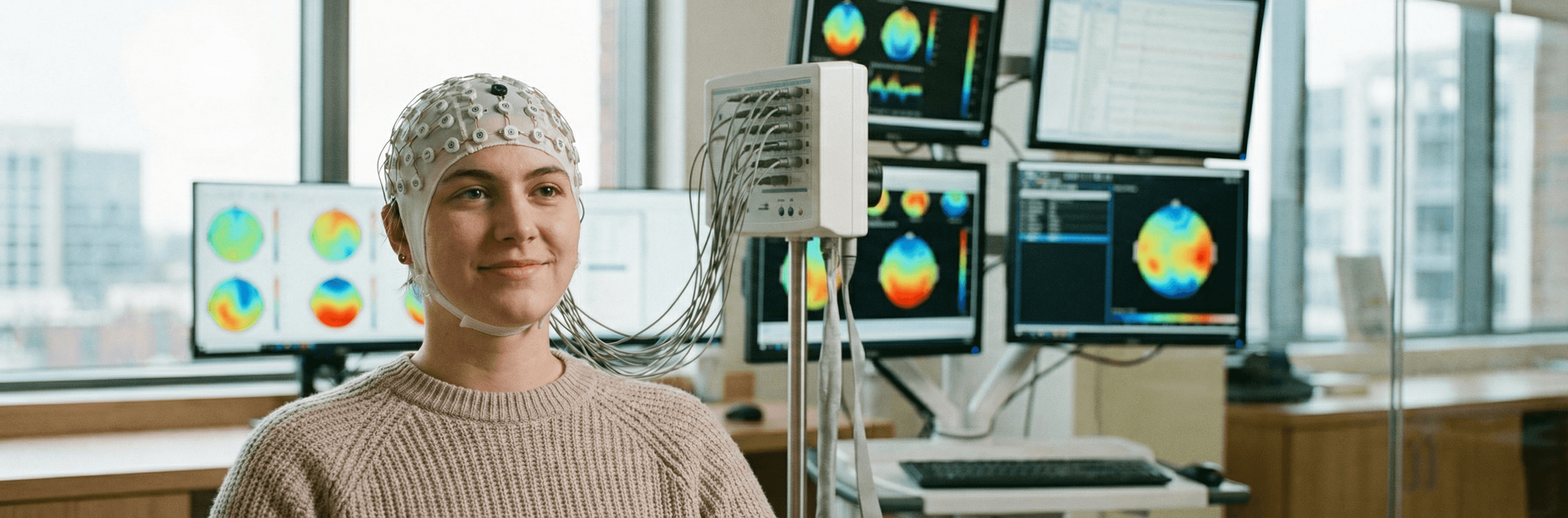
A PhD neuroscientist who has mapped 25,000+ brains breaks down the evidence for neurofeedback as an ADHD intervention — what the research actually shows, which protocols work, and what to expect.
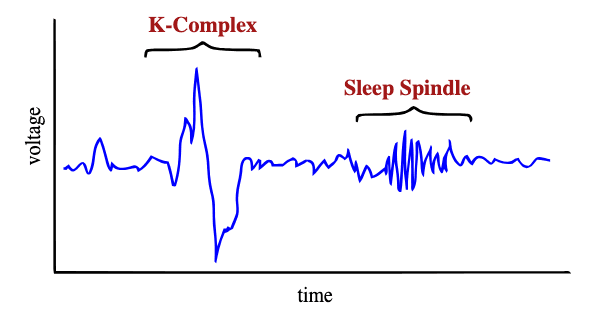
SMR (sensorimotor rhythm, ~12–15 Hz) is the workhorse protocol in neurofeedback: it builds calm alertness, improves sleep spindles, and stabilizes impulse control by strengthening thalamocortical inhibition.

You asked your child to put on their shoes fifteen minutes ago. They're still sitting on the floor, one shoe on, building a Lego tower, completely oblivious to the fact that you're late for school.

Photobiomodulation uses specific light wavelengths to enhance mitochondrial function and support neuroplasticity. Review the evidence for red and near-infrared light therapy.
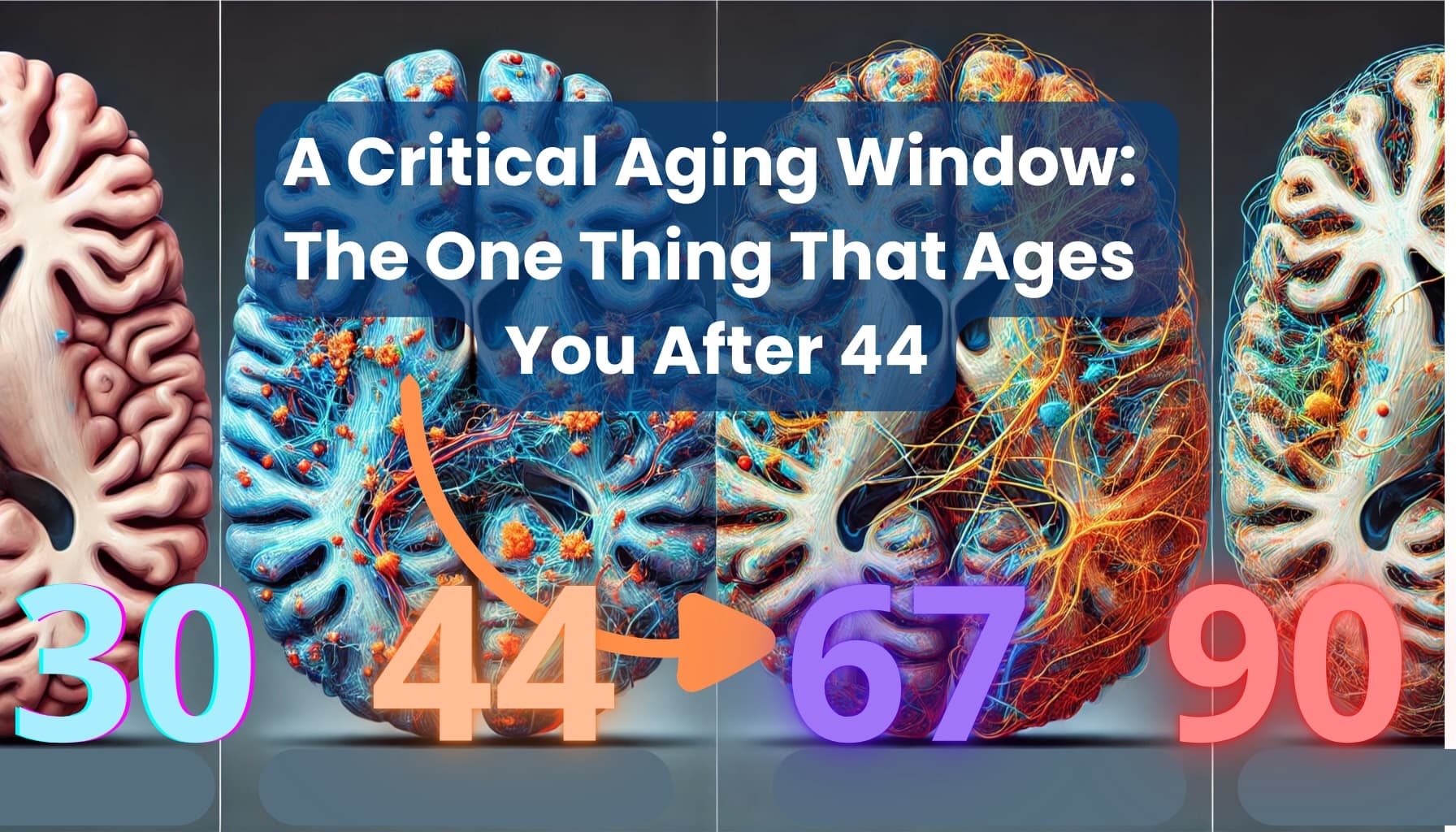
If you're 44 or older, your brain networks are already destabilizing. Not from lost neurons. Not from plaques or tangles. From **metabolic stress**—specifically, your neurons' declining ability to use...

Most New Year's resolutions fail by February. Not because you lack discipline. Because you're trying to use willpower (prefrontal cortex) to fight automatic behavior (basal ganglia). That's like tryin...
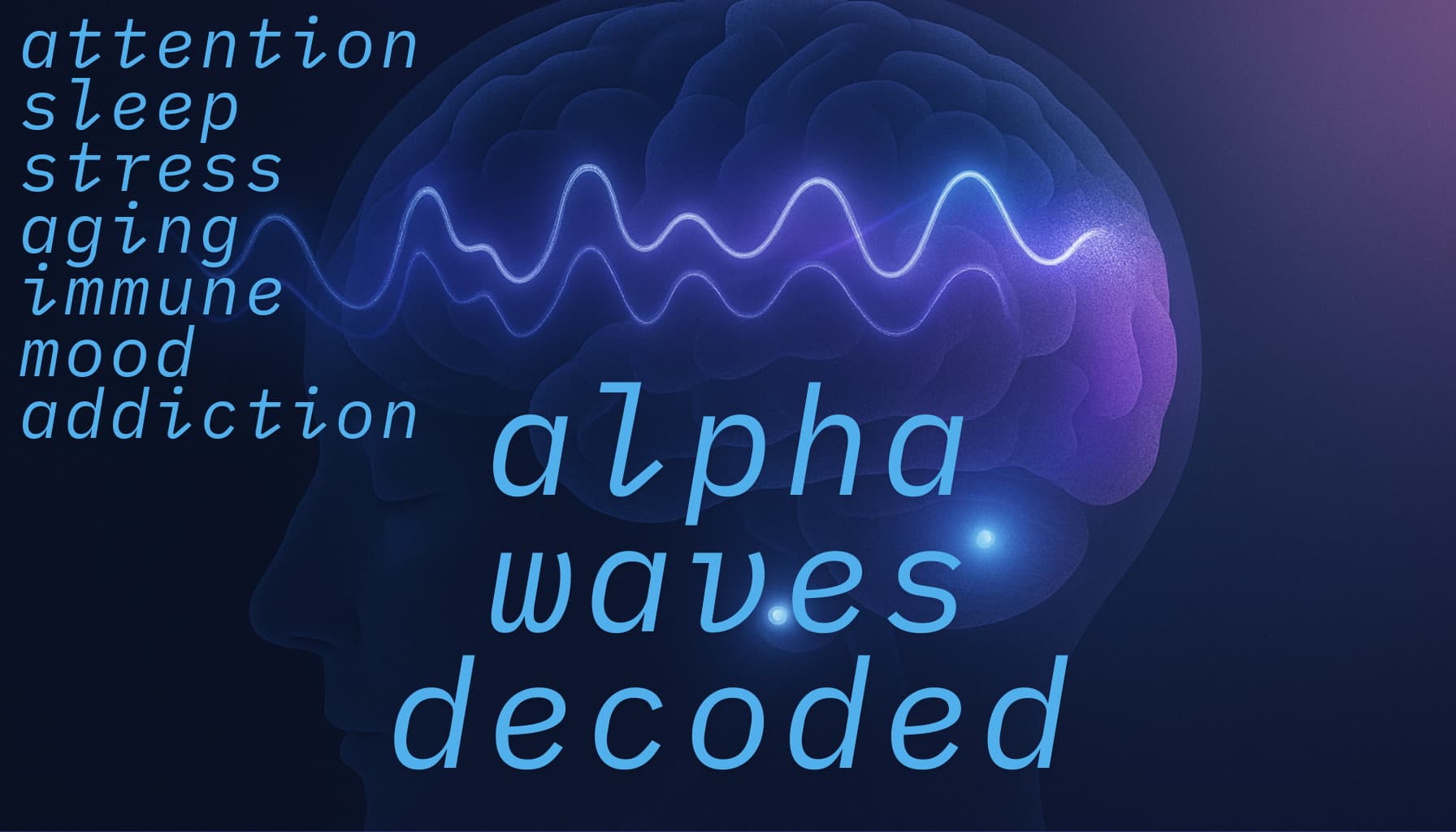
Alpha waves (8-12 Hz) reflect relaxed awareness and default mode network activity. Learn how alpha training reduces anxiety, enhances creativity, and improves cognitive flexibility.
Your thoughts feel slow. Words don't come easily. You're staring at your computer screen, but nothing's happening—just mental static where clarity should be.
Intermittent fasting and time-restricted eating enhance metabolic switching, autophagy, and BDNF production. Evidence-based protocols for brain optimization without suffering.
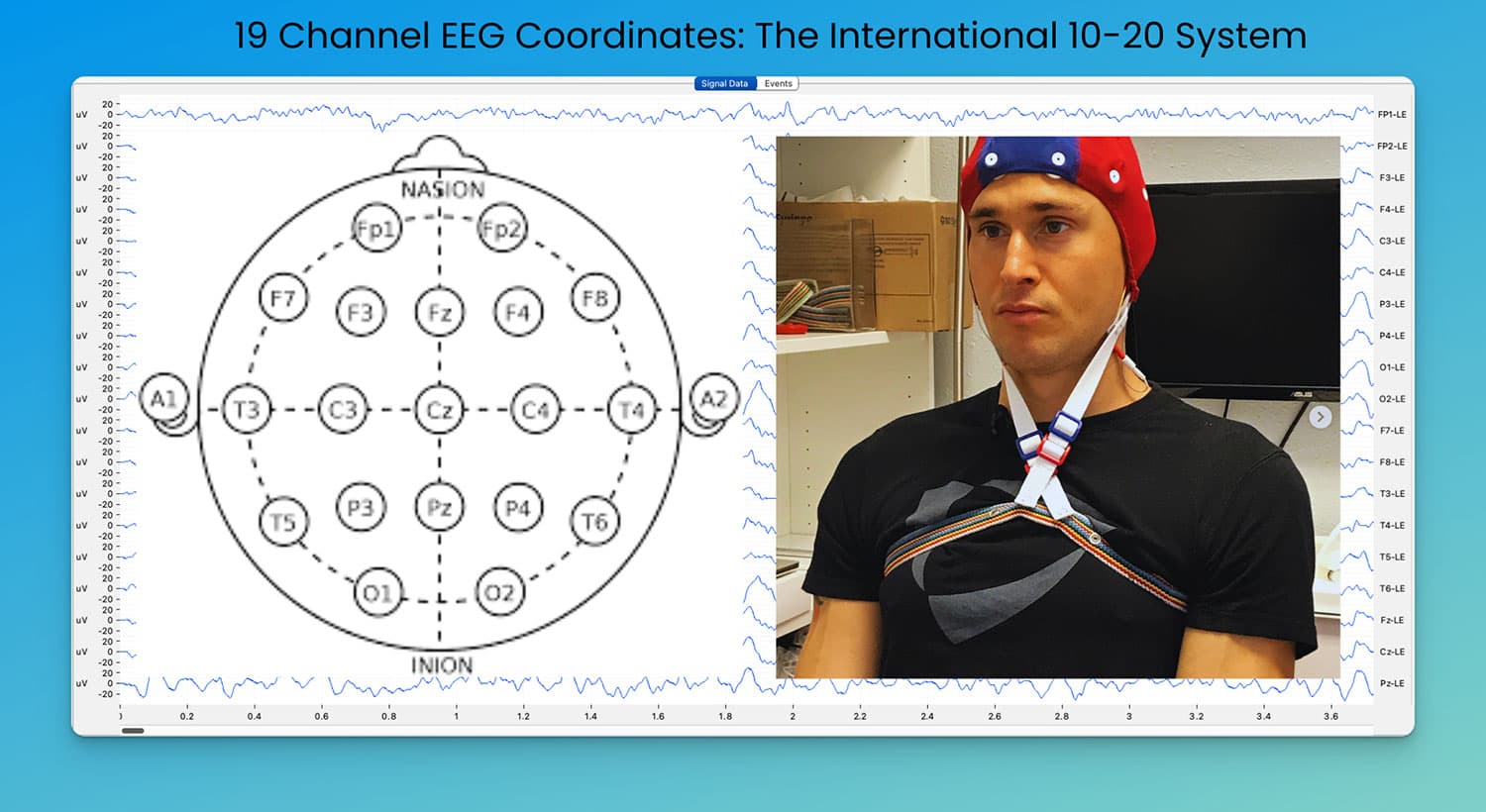
Your QEEG isn't just a brain map. It's a phenotype—a stable electrical signature that predicts how you process information, regulate attention, and respond to interventions.

Your morning routine is the most powerful lever you have for daily performance. Not because "mornings are magic," but because of *circadian biology*—the first 1-2 hours after waking set your internal...

Your brain rewires itself constantly. Neuroplasticity isn't just recovery—it's active optimization. Learn how to strengthen desired circuits through targeted training protocols.

Your brain is a prediction machine, constantly integrating sensory input and social cues to build a model of the world and your place in it.

Your brain's "factory settings" aren't optimized for learning. Discover evidence-based protocols for accelerated skill acquisition through neuroplasticity and strategic training.

Forgetting names and misplacing keys reflects hippocampal and working memory deficits. Learn evidence-based strategies to enhance encoding, consolidation, and retrieval.

Obsessive-Compulsive Disorder (OCD) isn't a character flaw or "just anxiety." It's a circuit dysfunction—hyperactivity and hyperconnectivity in the cortico-striato-thalamo-cortical (CSTC) loop that cr...

Your stress response evolved for predators, not emails. Learn how to regulate sympathetic activation, train HRV, and restore prefrontal control over your amygdala.

You've experienced it: time disappears, self-consciousness evaporates, and you perform at levels that surprise even you. Musicians call it "being in the pocket." Athletes call it "the zone." Psycholog...

Can you increase IQ? Yes. Target processing speed, working memory, and implicit learning through neurofeedback, meditation, and evidence-based protocols for measurable gains.

You know you should stop. The late-night scrolling, the stress eating, the third glass of wine that always seemed like a good idea at the time. You've tried willpower. You've set goals. You've told yo...

Meditation is attention training with measurable neuroplasticity effects. Eight weeks of practice increases gray matter, strengthens attention networks, and enhances prefrontal function.

You know sleep matters. You've read the articles about how it affects memory, metabolism, mood, immune function, and basically every system in your body.

Anxiety isn't vague. It's not "just stress." It's a specific neurophysiological state with identifiable signatures in your brain and body. When you're anxious, particular circuits are overactive, spec...

Mindfulness meditation creates measurable brain changes in attention networks, emotional regulation, and prefrontal-limbic connectivity. Evidence-based protocols for cognitive enhancement.

Procrastination isn't laziness—it's dopamine dysregulation and prefrontal-limbic circuit dysfunction. Learn evidence-based strategies to enhance motivation and task initiation.